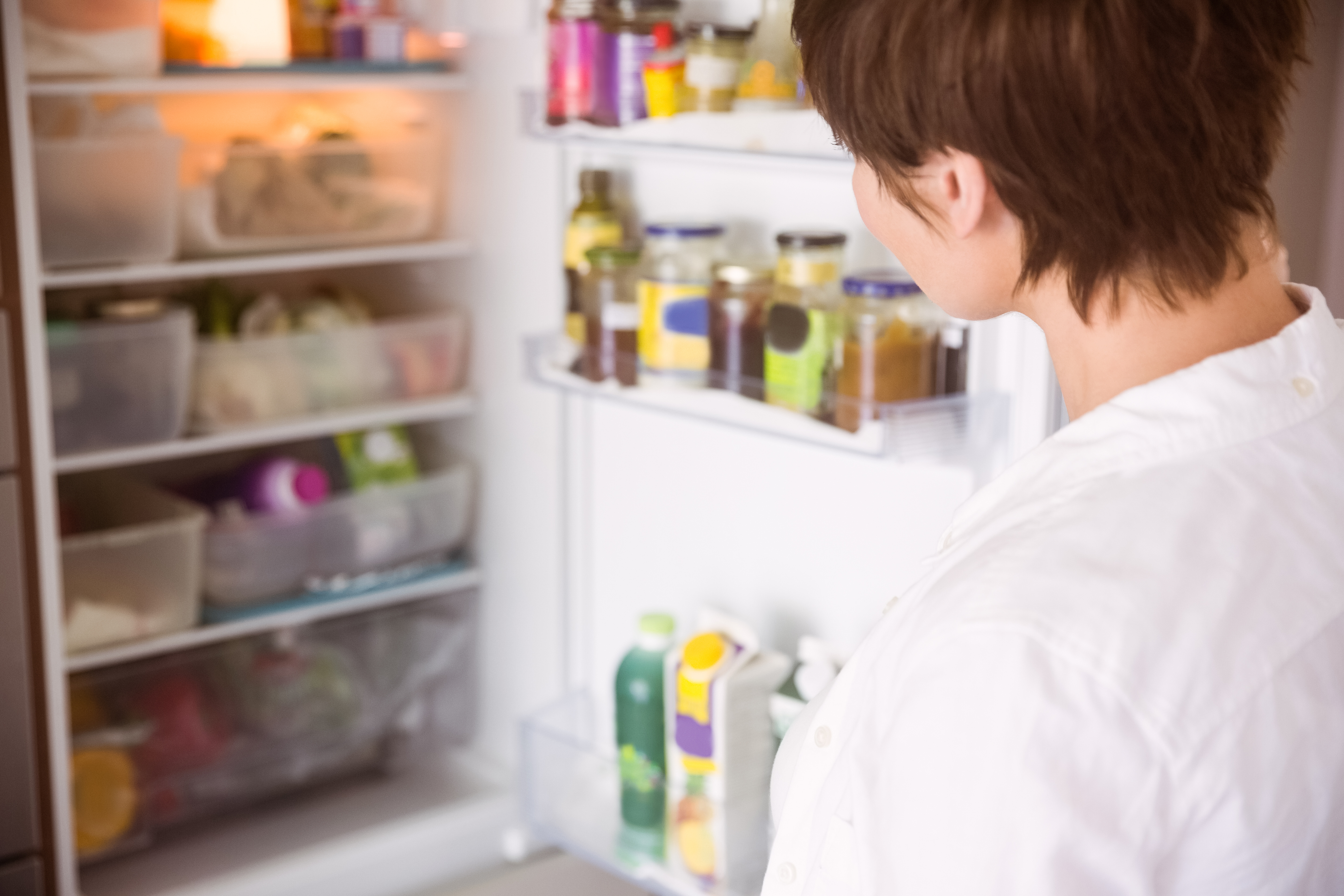
Food Safety
Learn what foods to buy, how to store water and keep perishables safe until power returns.
When Disasters Happen Staying Informed Can Save Lives
Food safety becomes even more important during emergencies. Kūpuna and caregivers should take steps to ensure food and water are stored properly and that they know how to manage supplies when electricity or water access is disrupted.
Start by building a list of basic essential food items. Include shelf-stable, easy-to-open foods that don't require cooking. Water should be stored in clean containers, with at least one gallon per person per day, for two weeks.
Tips to Prepare and Minimize the Risks of Spoilage
- Stock up on shelf-stable foods: These don’t require refrigeration, cooking, or water (canned goods, dried fruits, granola bars).
- Properly store and monitor food: Keep in a cool, dry, dark place away from chemicals (gas or paint) or areas that could flood.
- Freeze water containers: Keeps food cold for longer during outages.
- Have appliance thermometers: Keep your fridge below 40°F and your freezer below 0°F.
- Keep refrigerator/freezer doors closed: Maintain safe temperatures. A full freezer stays cold for 48 hours; a refrigerator for about 4 hours.
- Use coolers with ice packs: transfer perishables into a cooler if power is out for 4 hours.
- Avoid floodwater contact: Discard any food items that have come into contact with unclean flood or storm water.
- Don’t taste food to test safety: If in doubt, throw it out!
Label food with expiration dates and rotate stock regularly. During an outage, discard perishable items that have been in a refrigerator for 2 hours or more.
Having a food thermometer and understanding food safety can prevent illness in times when medical care may be harder to access. Kūpuna should also ensure that any medications requiring refrigeration are planned for.
Helpful Links:
- Emergency Food Supply Tips
- Severe Storms and Hurricanes Guide
- Food Safety for Emergencies
Other Preparation Topics

Mental Health and Wellness
Connect kupuna to supports to manage conditions and improve resilience and mental health.

Alerts
Sign up to receive county, state, and federal weather updates and other important alerts.
Natural Disasters
Find tips and recommended actions to keep family and pets safe during a natural disaster.

Emergency Planning
Have a plan to evacuate and practice steps with family and neighbors to reduce confusion.
Power Outages
Prepare by keeping two weeks of food, water, supplies and medication safe and accessible.
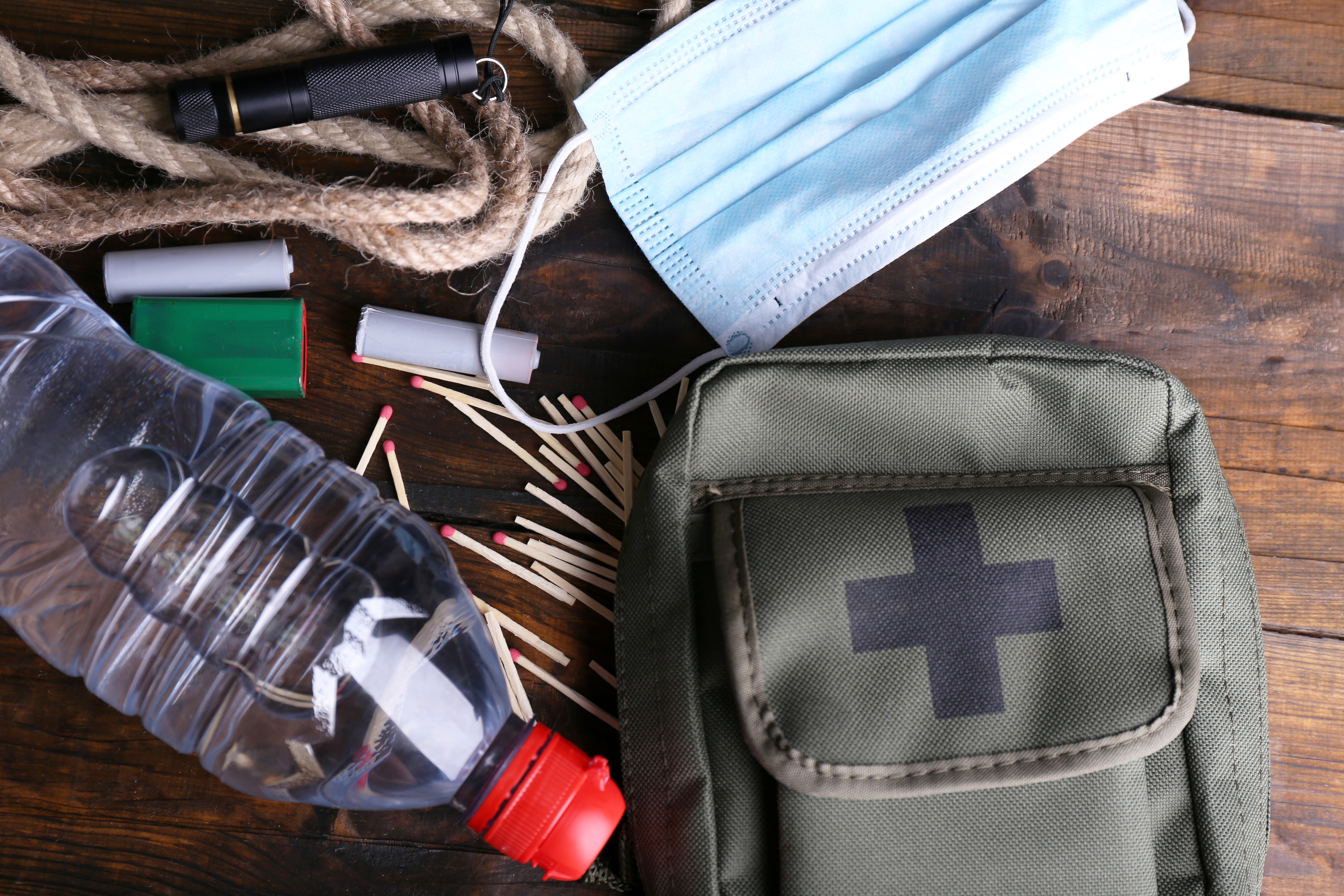
Emergency Kits
Know what kit items to pack to keep kupuna, caregivers, and pets safe in an emergency.
Housekeeping Tips
Remove clutter, replace smoke alarm batteries, and learn more tips to keep kupuna safe.